Skip to content
Request form open 24/7 · Request a Quote
Glasgow Drain Unblocker logo
Written by Glasgow Drain Unblocker Last updated
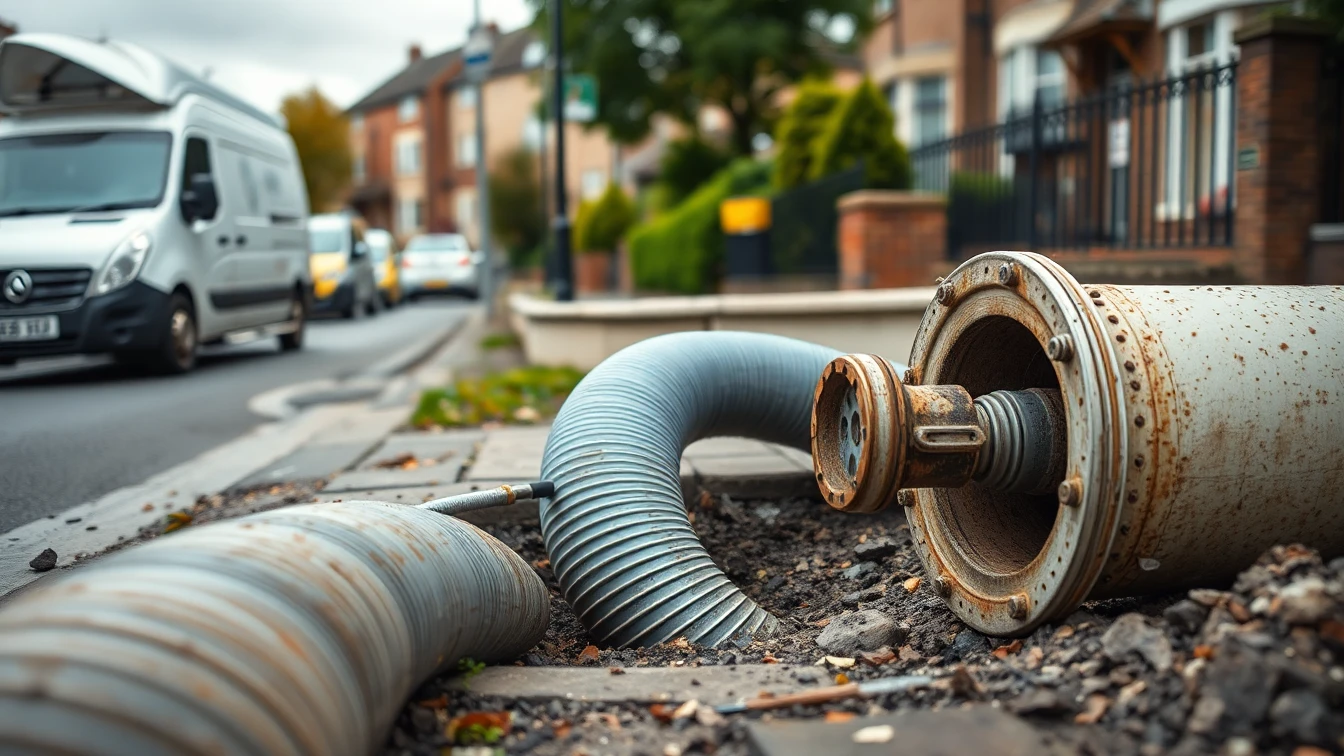
Pipe Relining in Glasgow, a drainage engineer at work
Drainage help across Glasgow

Pipe Relining in Glasgow

A no-dig repair that fits a liner inside a damaged pipe. Ask whether a camera survey shows it will suit your drain, since not every pipe can take one.

  • Covering Glasgow and nearby towns
  • Ask for a written quote before work starts
  • Ask whether there is a call-out charge
  • The request form is open 24/7
Free to request No obligation Open 24/7 to send a request Drains only

Request a Quote

Sending a request is free and there is no obligation. We'll pass it on straight away.

Pipe Relining across Glasgow

Pipe relining repairs a damaged drain without digging a trench. The engineer pulls a flexible liner soaked in resin into the old pipe, then presses it against the wall while it hardens. The result is a new pipe inside the old one.

Relining suits cracks, root damage and leaking joints. However, it does not suit every pipe. A pipe that has collapsed or lost its shape may need digging instead, and a camera survey shows which case you have.

The main benefit is less mess. Gardens, drives and patios stay in place, because the work uses existing access points. Ask what the liner maker says about its expected life, and ask for that in writing.

Scotland has its own building rules. Ask your council's building standards team whether your job needs a building warrant. Do this before work starts, since you cannot ask afterwards.

Signs you need pipe relining help

  • ✓ A camera survey has shown cracks or a displaced joint
  • ✓ Roots enter a pipe joint and cause repeat blockages
  • ✓ Damp or sunken ground suggests a leak underground
  • ✓ The drain runs under a patio, drive or extension
  • ✓ You want a repair without a trench in the garden

How the job usually goes

  1. 1.
    Survey the pipe

    A camera shows where the damage is and how long the section is. That decides whether relining can work, because a collapsed pipe cannot hold a liner.

  2. 2.
    Clean the pipe

    The engineer jets the pipe to remove deposits and roots. A clean wall helps the resin bond to the pipe, so this step matters.

  3. 3.
    Fit the liner

    The engineer pulls or turns the resin liner into place, then presses it against the wall with air. It takes the shape of the old pipe, so no trench is needed.

  4. 4.
    Check the result

    A final camera run shows whether the lining is smooth and in the right place. Ask for the before and after footage, since it is your record of the work.

What affects the price

Prices vary a lot because pipe size, length and access differ. A short repair needs less material than a long run. UK guides give different figures, since they count the cost in different ways.

Ask for a written quote after the camera survey, because it shows what is needed. Compare it with a quote for digging up and replacing the pipe, including putting the surface back.

Pipe Relining — frequently asked questions

How long does a pipe liner last?

Nobody can promise a lifespan for your pipe, because it depends on the ground and the pipe. Ask what the liner maker says, and ask for it in writing. A camera check after the work shows the finished lining.

Can every damaged pipe be relined?

No. Relining suits many cracks, root intrusions and displaced joints. However, a pipe that has completely collapsed may need digging, and a camera survey shows which method fits.

Is relining disruptive?

It uses existing access points, so there is normally no trench. Cleaning, the liner and the camera checks still take time and equipment on site. Ask how long the job will take.

All our services

Request a Quote