There are two common ways to clear a blocked drain. They are drain rods and high-pressure water jetting. Both can work, but they suit different jobs, so knowing the difference helps you pick the right fix.
Traditional Drain Rods
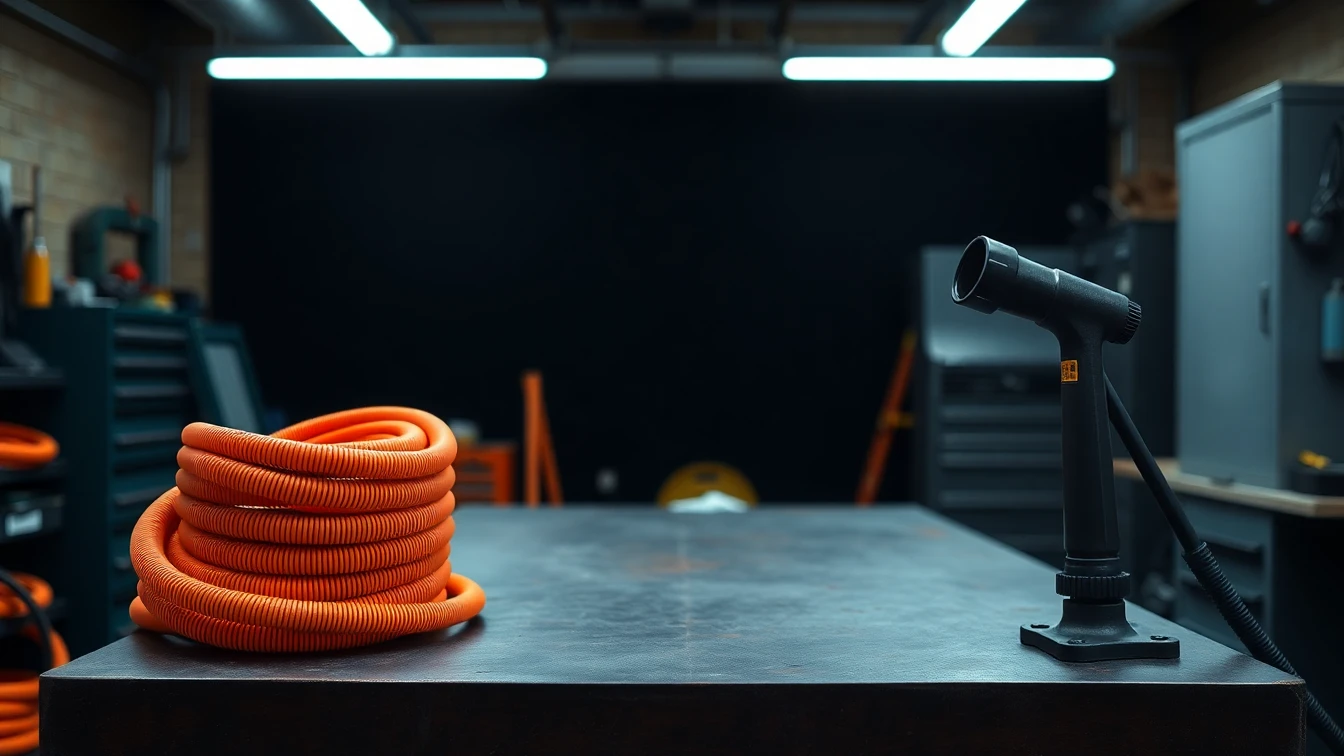
Drain rods are flexible rods that screw together. You add an attachment to break up or hook out the blockage. It is a simple, hands-on method.
How They Work
You push the rods into the drain and work them towards the blockage. A twist and a push can break it up. An attachment can also pull it out.
Advantages of Drain Rods
- Low cost: rods are cheap and easy to find
- Simple to use: basic training is enough
- No power needed: they work almost anywhere
- Good for simple blockages: they handle loose debris and small buildups
Limitations of Drain Rods
- Limited reach: rods only go so far along a drain
- They may push the blockage further down the pipe
- Risk of damage: careless use can crack a pipe
- Slow: tough blockages take a lot of effort
- They do not clean the pipe walls
High-Pressure Water Jetting
Drain jetting uses water at very high pressure to clear a pipe. A trained engineer works the jetting kit.
How It Works
A flexible hose with a special nozzle goes into the drain. Water pumps through at high pressure. Forward jets cut through the blockage, while rear jets push debris back towards the access point.
Advantages of Jetting
- Can clear many blockages fully, not just make a hole
- Cleans pipe walls: removes grease, scale and buildup
- Reaches further than rods, depending on the kit
- Often quicker on tough blockages
- Can help prevent repeat blockages
- Suits many sound pipes when used with care
Limitations of Jetting
- Needs professional equipment, so it is not a DIY job
- Needs a water supply
- Usually costs more than basic rodding, and prices vary
- Not suitable for damaged pipes, since it may make cracks worse
When to Use Each Method
Drain Rods Can Suit:
- Simple, easy-to-reach blockages
- Blockages you can see from the access point
- Very minor slow drainage
Professional Jetting Can Suit:
- Stubborn or recurring blockages
- Fat and grease buildup
- Tree root ingress
- Complete blockages
- Regular upkeep
- Commercial properties
- Any blockage that rods cannot clear
Why Jetting Often Suits Tough Blockages
- It can clear blockages that rods cannot reach
- It cleans the pipe, not just the blockage
- Clean pipes tend to block less often
- A camera check afterwards shows the state of the pipe
What a Good Job Looks Like
You cannot see inside the pipe, so it helps to ask questions before work starts. Here are some good ones:
- How will you find the blockage?
- Which method and nozzle do you plan to use?
- Will you check the pipe with a camera afterwards?
- Can you give me a written quote before you start?
- How can I stop it happening again?
Thinking About Cost
Drain rods may look cheaper at first. However, if rods fail to clear the pipe, you may pay twice. A blockage that returns can also cost more in the long run.
Jetting prices vary with access and how long the job takes. Because of this, always ask for a written quote before work starts.
If you think damage is causing repeat blockages, a CCTV drain survey will find the cause. It shows whether drain repairs are needed before any bigger work.
For drain jetting in Glasgow, you can request a quote online. You can also read about drain jetting in East Kilbride and drain jetting in Coatbridge. Other pages cover drainage help in Paisley, Motherwell drain services, Hamilton drain services and drainage help in Cumbernauld.
Related Guides
- Find out when a gully needs cleaning for outside drains.
- Read how to unblock an outside drain and when to stop.