
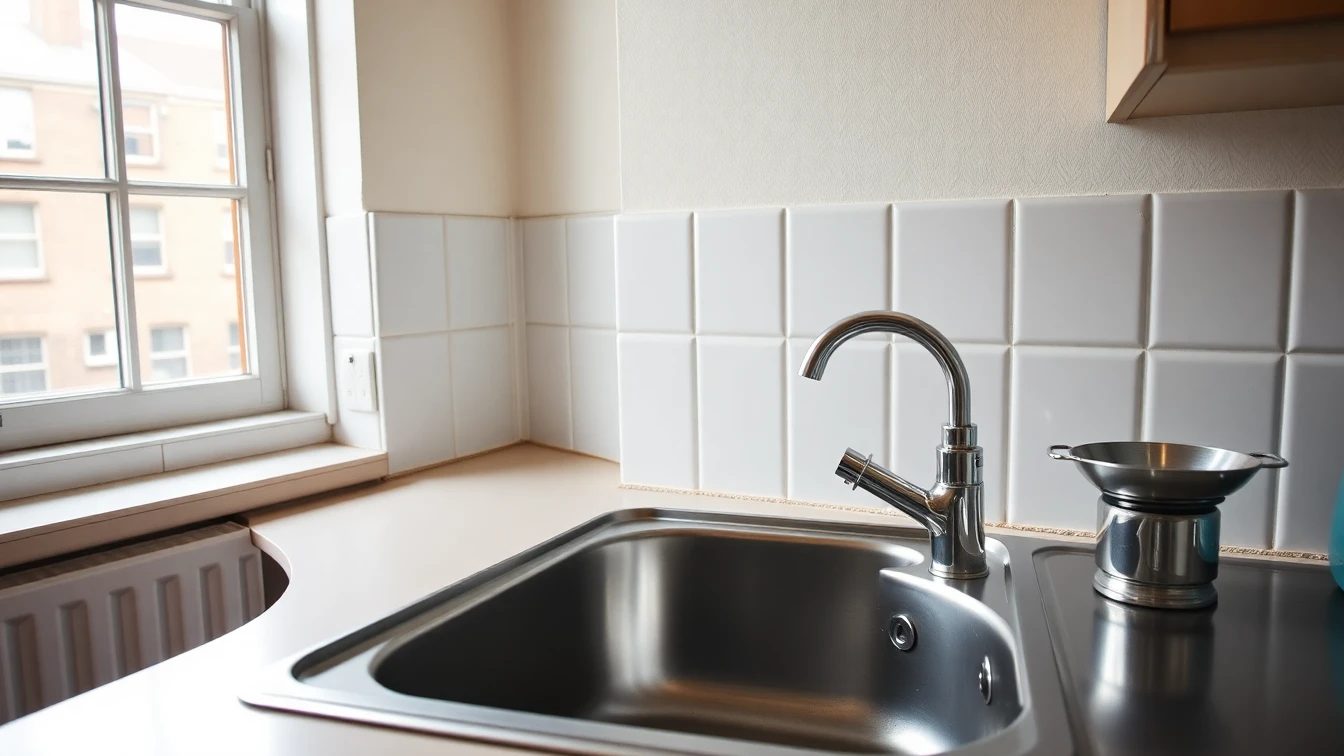
Kitchen drains take a lot of punishment. Cooking oil, food scraps and soap all go down the sink every day. For example, Scottish Water attends over 36,000 blockages in drains and sewers a year, and it says 80% of them come from people flushing the wrong items or pouring fat, oil and grease down the sink.
Why Kitchen Drains Block So Easily
The main culprit is fat, oil and grease, known as FOG. When hot, it runs down the drain as a liquid. However, as it cools, it starts to thicken, and it can cling to the pipe walls.
Once FOG is in a pipe, it catches other debris. While fats combine with other waste in a sewer, they can create blockages and fatbergs. Over time the pipe gets narrower, so water drains more slowly.
Soup, stock, sauces and milk products also hold fat. As a result, they can set in your drains too. It does not take much to cause trouble, because the drain from a home to the public sewer is usually only about 10 cm wide.
Daily Habits to Prevent Blockages
Never Pour Grease Down the Drain
This is the most important rule, because fat sets as it cools. If you cannot reuse cooking fat, leave it to cool and harden. Then scrape it into your food waste recycling, or put it in the bin.
A few small habits help, since they stop fat reaching the pipe:
- Keep a small tub or old tin for fat to cool in
- Wipe greasy pans with kitchen paper before you wash them
- Tip cooled fat into the bin, not the sink
Use a Sink Strainer
A mesh strainer sits in the plughole and catches food bits. Empty it into the food waste bin after each wash. This cheap tool can stop many blockages before they start, because food stays out of the pipe.
Scrape Plates Before Washing
Scrape all food off plates, pots and pans before they go in the sink. Even with a waste disposal unit, too much food waste can still block your pipes. Soup, sauce and milk dregs should go in the bin too.
Bin Wipes, Never Flush Them
Only pee, poo and toilet paper should go down the toilet. Bin every wipe, even if the pack says flushable. Many wipes contain plastic, so they do not break down in the sewer and can cause blockages.
Scotland plans to ban the sale of wet wipes that contain plastic from 11 August 2027. That is not law yet, so bin your wipes for now.
Check Your Drain Each Month
Once a month, run the kitchen tap and watch how the sink empties. Slow draining and bad smells are early signs of drain trouble. If you spot either one, act early, since a full blockage is harder to clear.
What to Avoid
- Chemical drain cleaners: read the label, never mix products, and do not use them often
- Coffee grounds: they can build up in the pipe, so bin them
- Flour and starchy foods: they can turn into a paste inside pipes
- Eggshells: they break into small bits that can trap other debris
When to Get Professional Help
If water drains slowly despite these habits, or blockages keep coming back, there may be a bigger problem. A CCTV drain survey can help find the root cause. However, ask the engineer to explain the footage, so you can fix the cause.
For stubborn kitchen blockages, drain jetting can clean grease from the pipe walls, although rods often cannot do this. If you have a blocked sink that won't clear, ask the engineer which method they plan to use. Also ask for a written quote before work starts.
Because the same habits apply across the region, you can look at drain unblocking in Glasgow, blocked drain help in Cumbernauld and drainage help in Lanark. The request form is open 24/7, so you can get in touch online at any hour.
Related Guides
- Check what to try with a blocked toilet if the toilet is slow too.
- Learn when a gully needs cleaning for the drain outside your kitchen.