Skip to content
Request form open 24/7 · Request a Quote
Glasgow Drain Unblocker logo
Written by Glasgow Drain Unblocker Last updated
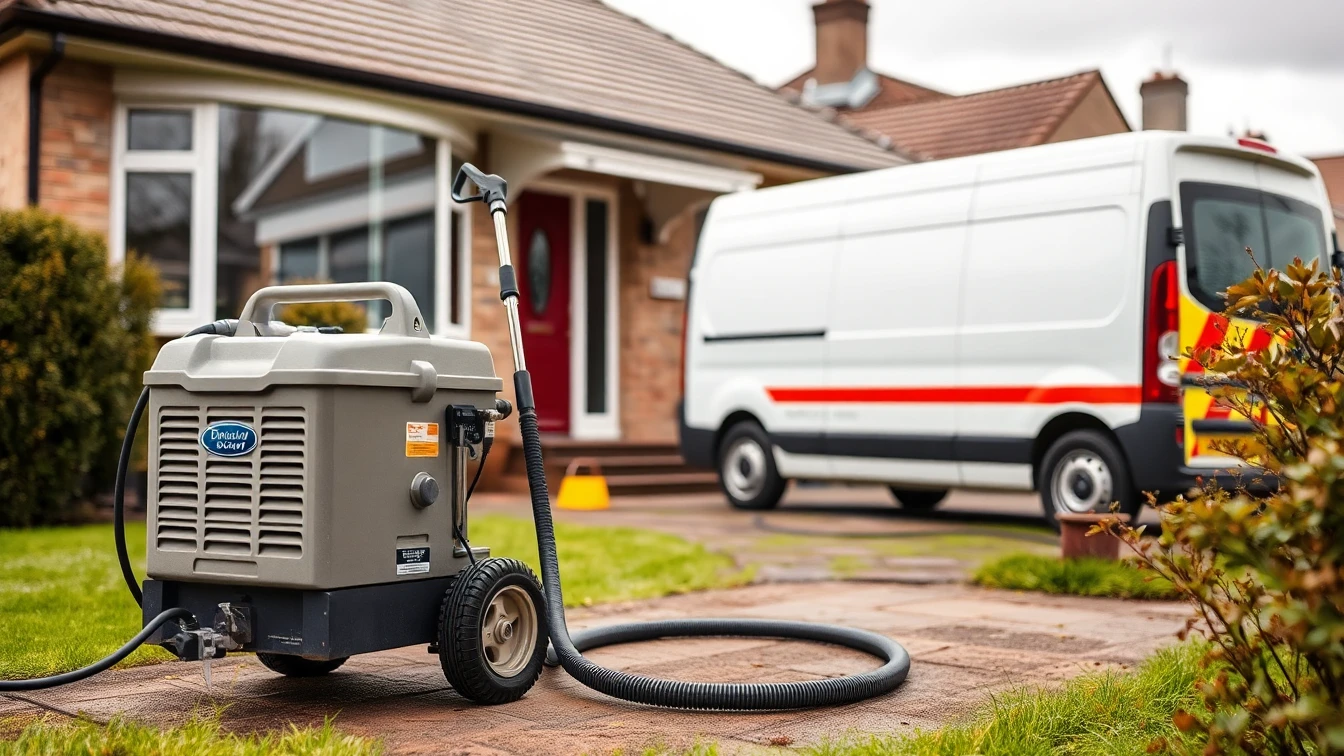
Domestic Drain Jetting in Glasgow, a drainage engineer at work
Drainage help across Glasgow

Domestic Drain Jetting in Glasgow

High-pressure jetting for the drains of a home. It suits repeat blockages, because it washes the pipe wall as well as the plug.

  • Covering Glasgow and nearby towns
  • Ask for a written quote before work starts
  • Ask whether there is a call-out charge
  • The request form is open 24/7
Free to request No obligation Open 24/7 to send a request Drains only

Request a Quote

Sending a request is free and there is no obligation. We'll pass it on straight away.

Domestic Drain Jetting across Glasgow

Domestic drain jetting cleans the drains at a home with high-pressure water. A hose with a rotating nozzle goes into the pipe through an access point. The jets scour the walls, so loose debris moves downstream.

It removes grease, scale, silt and small roots. Rods push a hole through a blockage, but jetting also washes the pipe wall. That is why it suits repeat blockages and slow drains.

The pressure should suit the pipe. Old or damaged pipes may need a camera check first, because high pressure can make weak joints worse. Ask the engineer which pressure and nozzle they plan to use.

Good habits matter more than any machine, because most blockages start at the sink or toilet. Scottish Water says most blockages come from flushed items or fat, oil and grease. Keep both out of your drains and you may never need jetting.

Signs you need domestic drain jetting help

  • ✓ Several fixtures drain slowly at the same time
  • ✓ A blockage keeps returning after rodding
  • ✓ A foul smell stays after you clean the drains
  • ✓ Mature trees stand near the drain run and roots are a worry
  • ✓ A camera has shown a build-up on the pipe walls

How the job usually goes

  1. 1.
    Check the access

    The engineer looks at the access points and the pipe type. A short camera check may help if the pipe is old, since weak joints can fail under pressure.

  2. 2.
    Set up the equipment

    The engineer sets the unit near the drain and feeds the hose in. The nozzle and pressure should match the pipe material, because plastic and old clay differ.

  3. 3.
    Jet the run

    The nozzle moves along the pipe, cleaning from the problem area back towards the access point. Loose debris washes downstream, while the walls get scoured.

  4. 4.
    Check the flow

    Water runs through the system to show that it flows freely. A second camera check lets you see the pipe afterwards, since a clear flow can hide a damaged wall.

What affects the price

Prices vary because drains differ in length and in how much has built up. Light cleaning takes less time than clearing heavy, packed deposits. Different price guides give different figures, so do not rely on one number.

Ask for a written quote before work starts, since extras add up. Ask whether there is a call-out charge, and ask whether a camera check is part of the price.

Domestic Drain Jetting — frequently asked questions

Is jetting safe for old pipes?

It can be, if the pressure suits the pipe. Old clay pipes and damaged joints need care, because high pressure can make weak joints worse. Ask whether a camera check comes first, and which pressure the engineer plans to use.

How often should drains be jetted?

There is no fixed schedule for homes, because every drain is different. Jet when signs return, or after a camera survey shows a build-up. Ask the engineer what they advise for your pipes.

Will jetting damage my garden or drive?

Jetting uses existing access points such as manholes, chambers and gullies, so digging is not normally needed. Ask where the engineer will set up the hose and the unit. Tell them about any delicate surfaces, since the unit needs space.

All our services

Request a Quote